
For a course creator, your email list is your most valuable business asset. Unlike social media, where algorithms constantly change, and you are always renting space, your email list is a platform you own.
As a beginner, the thought of building this list can feel overwhelming, but the good news is that your unique position as an educator gives you a massive advantage.
In this guide, we will walk you through the most effective, unique strategies to build an email list as course creators.
01. Create a Free Mini-Course or Taster Module as Your Lead Magnet
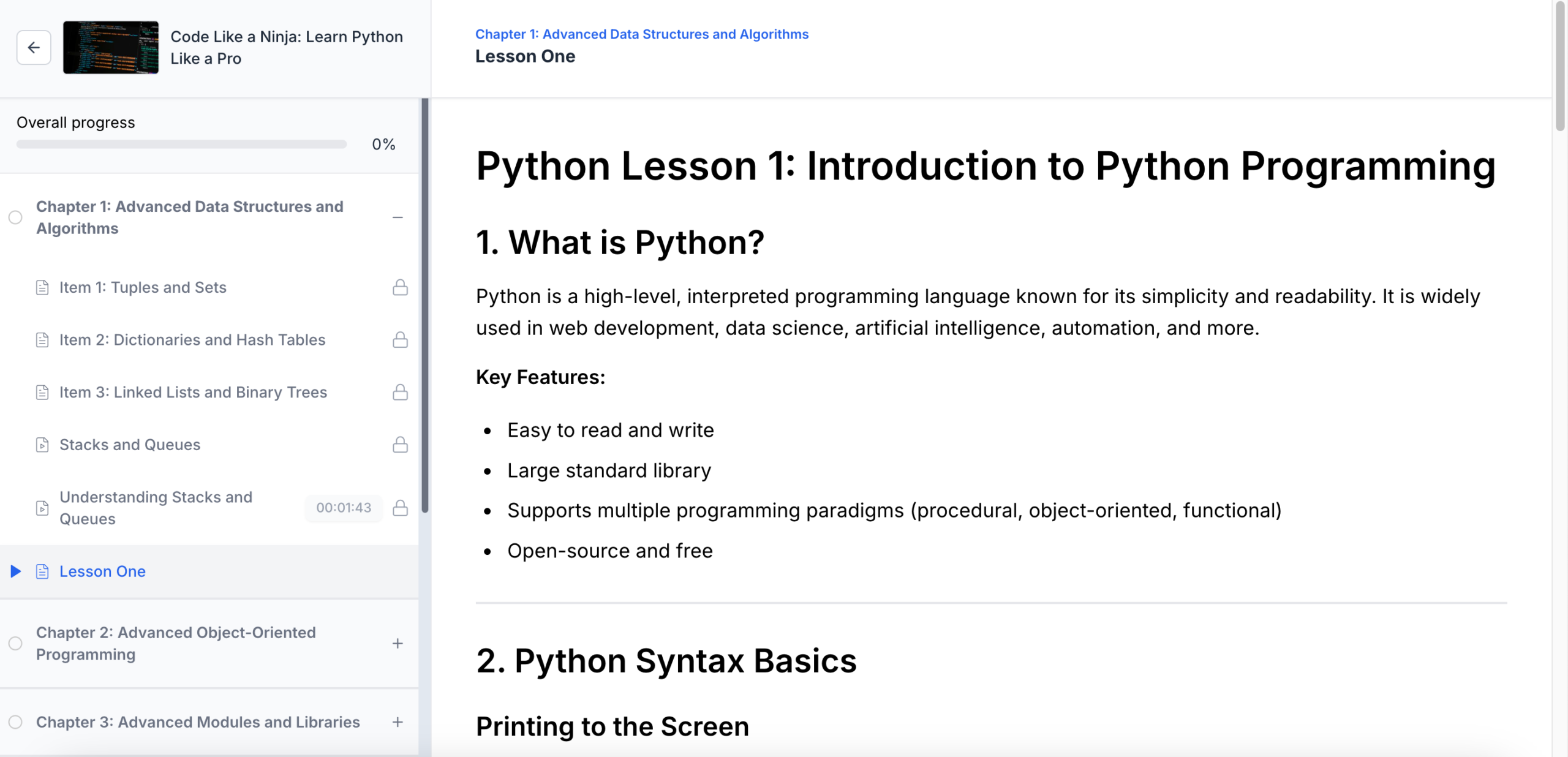
One of the most effective ways to start building your email list is by offering something valuable for free. For example, a mini-course or a taster module from your main course.
Think of this as giving your potential students a small sample of what they can expect if they enroll in your full course.
Unlike a simple PDF or checklist, a mini-course allows people to experience your teaching style and get a sense of the value you provide. This not only attracts the right audience but also helps you pre-qualify leads.
Here’s how you can execute this process step by step:
- Pick your content: Choose a small, self-contained part of your main course that teaches a single concept or skill.
- Break it into lessons: Divide it into 5-7 short, actionable lessons that are easy to follow.
- Choose a delivery method: Use email or an online course platform where users must sign up with their email to access the content.
- Set up a simple signup form: Keep it simple, just name and email, and clearly state what they’ll get.
- Send a welcome email: Explain what the mini-course includes, how many lessons, and what they can expect.
- Add gentle calls-to-action: Encourage learners to explore your full course or additional resources without being pushy.
- Collect feedback: Ask participants what they liked and what could be improved to refine your course and strengthen engagement.
02. Offer Strategic Pre-Launch Access (The Waitlist)
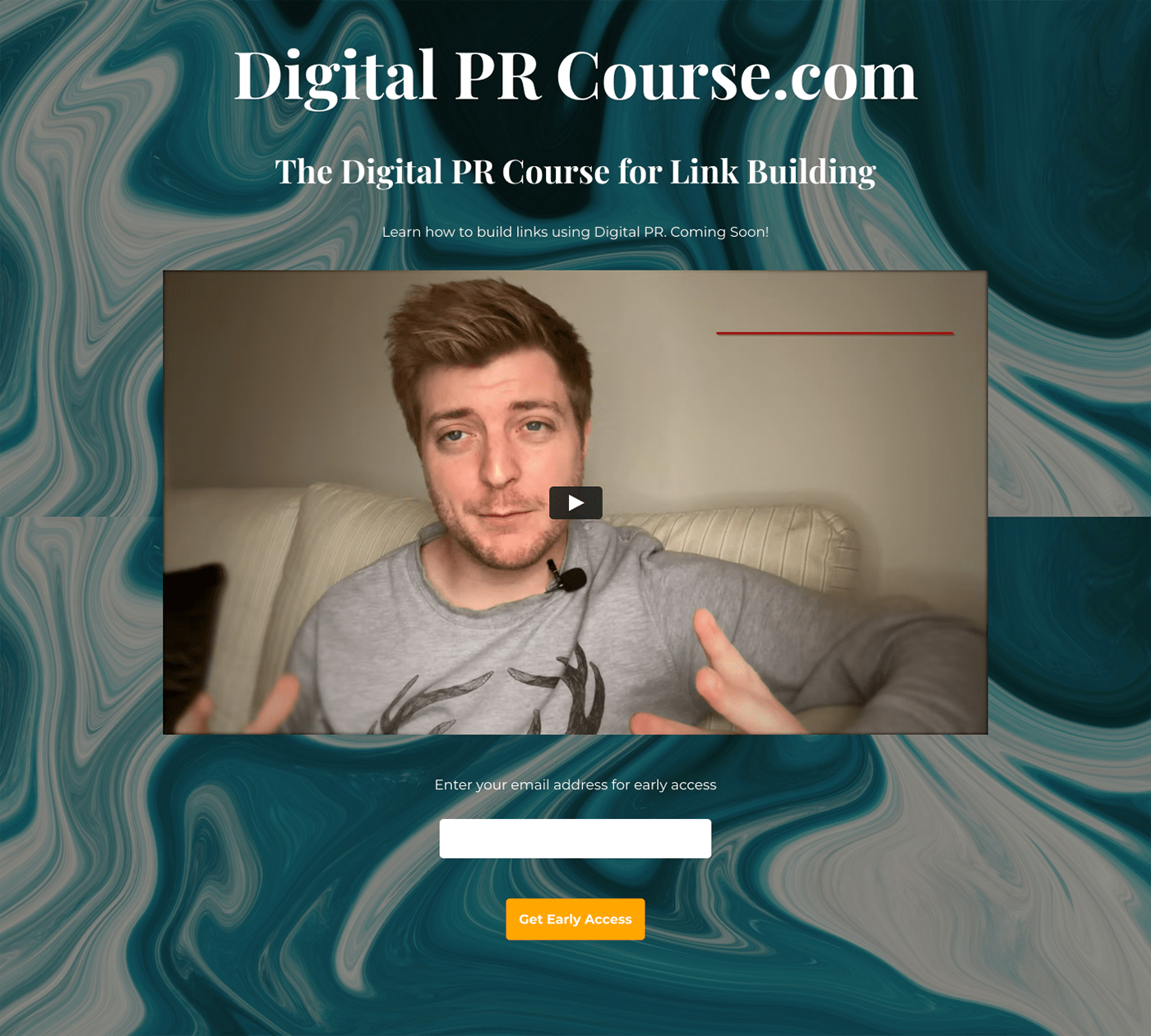
Another highly effective way to grow your email list as a course creator is by offering pre-launch access to your course through a waitlist. This creates anticipation and lets your audience feel like they’re getting exclusive early access, which can make them more likely to sign up.
Here’s how you can execute this process step by step:
- Create a landing page: Set up a simple page that explains your upcoming course and why it’s valuable.
- Highlight the exclusivity: Let people know they’ll get early access, special bonuses, or limited spots to encourage signups.
- Set up a waitlist form: Ask for name and email, and keep it short and simple to maximize conversions.
- Send a confirmation email: Thank them for joining the waitlist and explain what they can expect next.
- Provide updates and teasers: Share sneak peeks, behind-the-scenes content, or helpful tips to keep your audience engaged before the launch.
- Launch with urgency: When the course goes live, notify your waitlist first and create a sense of excitement to drive early enrollments.
03. Create Course Bonuses and Content Upgrades
Another practical way to build your email list is by turning your existing free content into list-building opportunities. Instead of asking for an email “just to subscribe,” you offer a specific bonus that directly complements the content someone is already consuming.
These bonuses work well because they are highly relevant. If someone is reading your blog post or watching your video, they’re already interested in that topic, which makes them much more likely to exchange their email for a useful resource.
Here’s how you can execute this process step by step:
- Start with one piece of content: Choose a blog post, video, or podcast episode that teaches a single idea or process.
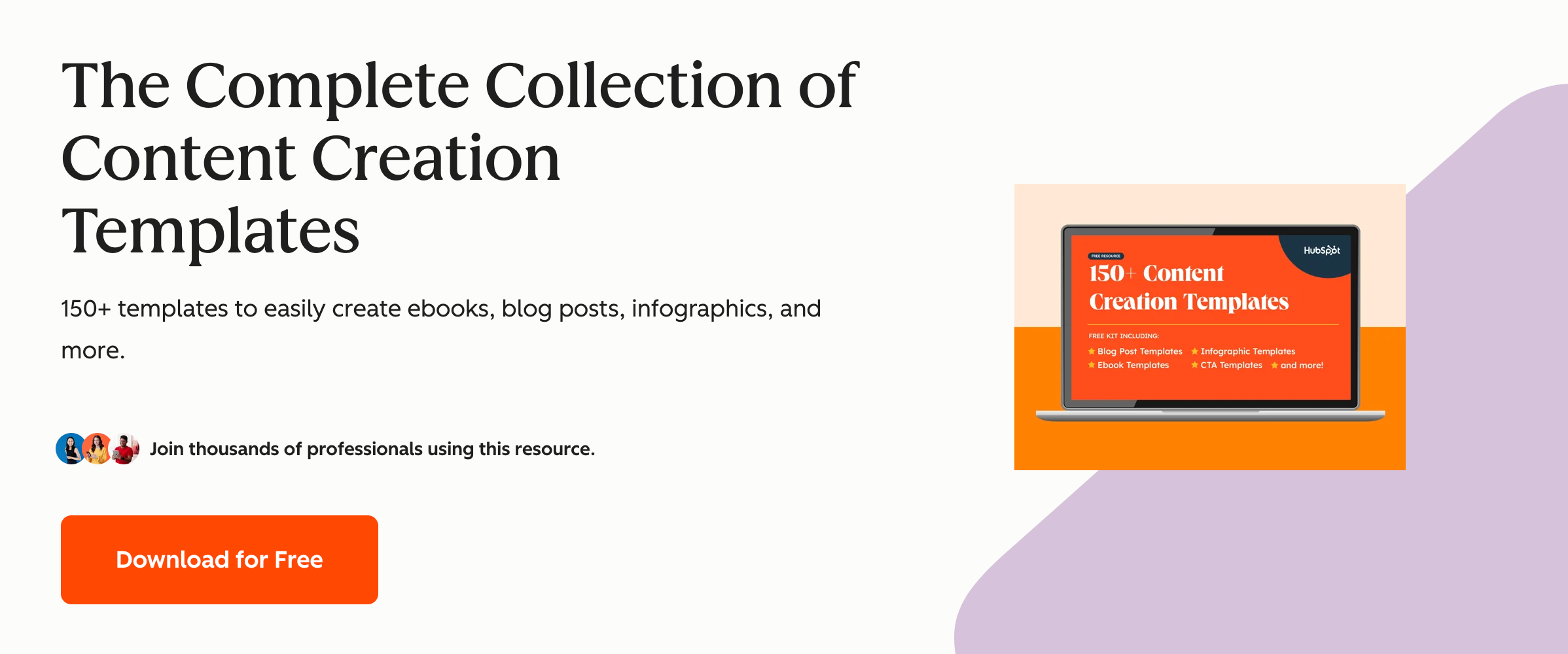
- Create a related bonus: Turn part of your course into a template, checklist, worksheet, or swipe file that supports that specific topic.
- Keep it tightly aligned: Make sure the bonus directly helps the reader take the next step with what they just learned.
- Add a clear opt-in: Place a signup form or button near the content that explains exactly what the bonus includes.
- Deliver via email: Send the bonus automatically after signup so users immediately see the value of joining your list.
- Tag or segment subscribers: Label these subscribers based on the bonus they signed up for, so you understand their interests.
- Link back to your course: Include a soft mention of your course as the next logical step without forcing a sale.
04. Gate Your Course Preview Content
If you have already created a course, you can use it to grow your email list by gating access behind an email sign-up. This means visitors must enter their email address to view a preview lesson or a specific section of your course.
This approach works well because people only sign up if they’re genuinely curious about what you teach. Instead of collecting passive subscribers, you attract learners who are already evaluating whether your course is right for them.
Here’s how you can execute this process step by step:
- Choose the right preview: Select a lesson or section that shows your teaching style and delivers real value on its own.
- Avoid giving everything away: Make sure the preview helps but leaves room for deeper learning inside the full course.
- Set up gated access: Use your course platform or website to require an email sign-up before unlocking the content.
- Explain the benefit clearly: Tell visitors exactly what they’ll learn from this preview and why it’s worth signing up.
- Send a delivery email: Email the access link or login details immediately after signup.
- Follow up thoughtfully: Send a few helpful emails expanding on the topic and introducing your full course naturally.
- Track engagement: Watch who opens emails or views the preview to identify your most interested subscribers.
05. Host Free Webinars
Hosting a short, free webinar is an effective way to grow your email list while building trust with your audience. By teaching one clear, actionable outcome in a live setting, you let people see how you explain concepts and respond to real questions.
Webinars also create a sense of presence and momentum. People are more likely to sign up when they know they’ll be attending something at a specific time and interacting with a real instructor.
Here’s how you can execute this process step by step:
- Pick one focused outcome: Choose a single problem your audience can solve or understand in 20–30 minutes.
- Create a simple registration page: Explain what attendees will learn and require an email sign-up to reserve a spot.
- Choose a live platform: Use tools like Zoom, Google Meet, or webinar software that collects emails during registration.
- Prepare a loose structure: Outline your key talking points so the session stays focused without feeling over-scripted.
- Engage during the session: Encourage questions, use chat prompts, and acknowledge attendees by name when possible.
- Record the workshop: Offer the replay only to registrants to add extra value to signing up.
- Follow up by email: Send a recap, useful resources, and a soft introduction to your course as the next step.

06. Create Exclusive Community Access
Offering free access to a private community is a strong way to build your email list while creating deeper relationships with your audience. Instead of just subscribing to emails, people join a space where they can ask questions, learn from others, and interact with you directly.
This approach turns your email list into more than a broadcast channel. It becomes the entry point to an ongoing learning environment, which helps build trust and keeps people connected to your work over time.
Here’s how you can execute this process step by step:
- Choose a simple platform: Start with something familiar like Facebook Groups, Discord, Slack, or Circle.
- Define the purpose clearly: Explain what the community is for and the type of support or discussions members can expect.
- Gate access with email signup: Require an email address before sharing the invite link to the community.
- Create a short onboarding email: Welcome new members and explain basic guidelines and how to participate.
- Be visibly present: Answer questions, start discussions, and show up consistently so members feel supported.
- Encourage peer interaction: Prompt members to share progress, ask questions, or help each other.
- Connect it to your course: Occasionally, reference your course as the structured next step for deeper learning.
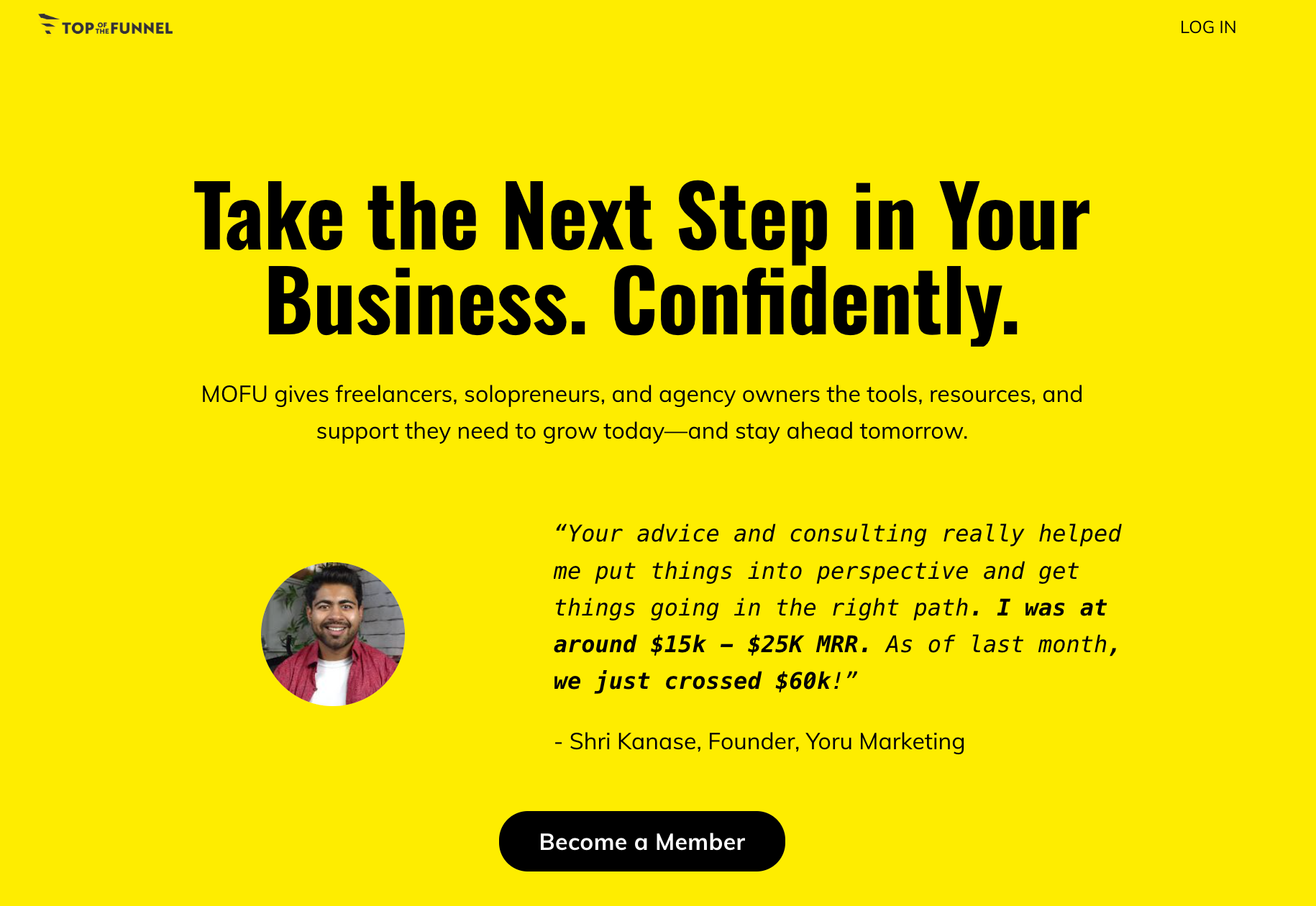
07. Use Your Own Success Story as a Case Study
If you don’t have student testimonials yet, your own experience can still be a strong email list growth asset. By turning your personal results into a structured case study, you can show proof that your approach works while building credibility with potential students.
This works especially well for beginner course creators because people don’t need perfection or hype. They want to see a real process and realistic outcomes.
Here’s how you can execute this process step by step:
- Choose one clear outcome: Focus on a single result your course helps achieve, not your entire journey.
- Document the process: Explain the steps you took, decisions you made, and mistakes you avoided in a practical way.
- Create a simple downloadable format: Turn the case study into a PDF, slide deck, or Notion-style document.
- Gate it behind email signup: Require an email address before allowing access to the case study.
- Set expectations clearly: Tell readers exactly what they’ll learn and what the case study does and does not cover.
- Follow up with context: Send emails that expand on parts of the case study and explain how they fit into your course.
- Position your course naturally: Present your course as the structured system behind the results, not a hard sell.

08. Use Interactive Quizzes and Assessments
A fun and effective way to grow your email list is by creating a short quiz related to your course topic. By requiring an email address to see the results or receive personalized feedback, you tap into people’s natural curiosity and desire for self-assessment, while capturing engaged leads.
Here’s how you can execute this process step by step:
- Choose the quiz topic: Focus on a relevant skill or knowledge area tied to your course.
- Create clear questions: Keep it short (5-10 questions) and easy to complete.
- Require email for results: Ask for name and email before showing the personalized feedback.
- Provide value in the results: Give actionable insights or tips based on their answers.
- Automate delivery: Send results via email to ensure users receive them instantly.
- Encourage next steps: Invite quiz takers to join your course, download a resource, or join a community.
- Analyze responses: Use quiz answers to understand your audience better and refine your course content.
09. Cross-Promote with Complementary Creators
Partnering with other course creators in non-competing but related niches is a smart way to grow your email list quickly. By co-hosting a webinar or cross-promoting lead magnets, you can tap into an existing audience that’s already interested in topics related to yours.
Here’s how you can execute this process step by step:
- Identify complementary creators: Look for creators whose audience overlaps with yours but isn’t in direct competition.
- Propose a collaboration: Offer a joint webinar, free challenge, or content exchange that benefits both audiences.
- Agree on lead capture: Ensure that email signups are part of the collaboration so both parties grow their lists.
- Promote to both audiences: Share the event or content through your email lists, social media, and communities.
- Provide value first: Make sure the content is actionable and relevant to attract high-quality leads.
- Follow up after collaboration: Send participants additional resources or invite them to your course.
10 Best Practices for Creating Effective Lead Magnets
Here’s a comprehensive list of best practices to make your lead magnets highly effective:
1. Keep sign-up forms short and simple: Only ask for essential information, usually name and email. The shorter and simpler your form, the higher the conversion rate. Avoid unnecessary fields that could frustrate or scare off potential subscribers.
2. Make the value immediate and clear: Clearly explain what your audience will get and how it will benefit them. Use concrete, benefit-driven language, like: “Download this 5-step checklist to plan your first online course in 30 minutes.” People should understand the value instantly.
3. Match the lead magnet to your audience’s needs: Your lead magnet should solve a specific problem or teach a specific skill relevant to your target audience. The closer it aligns with your course topic, the higher the chance the leads will be qualified and interested in your paid offerings.
4. Make it actionable: Lead magnets should provide practical steps or results, not just theory. Templates, worksheets, checklists, mini-courses, or step-by-step guides are highly effective because users can apply them immediately.
5. Keep it concise and focused: Don’t try to teach everything in your lead magnet. Pick one problem or outcome and focus on delivering value for that specific goal. A focused resource is easier to consume and more likely to leave a positive impression.
6. Deliver it instantly: Your audience should receive the lead magnet immediately after signing up. Use email automation to deliver the content without delays. Instant delivery builds trust and demonstrates reliability.
7. Use appealing design and formatting: Even if the content is great, poor design can make it feel low-quality. Use readable fonts, clear headings, bullet points, and visuals where relevant. A visually appealing lead magnet reinforces professionalism and value.
8. Include a subtle next step: Your lead magnet can naturally lead to your paid course. For example, include a short note at the end inviting users to explore your full course, join a workshop, or access related content. Avoid being pushy, but make the path forward clear.
9. Test and iterate: Not every lead magnet will perform perfectly on the first try. Track sign-up rates, click-throughs, and feedback. Test different titles, formats, and delivery methods to see what resonates most with your audience.
10. Protect your content: Make sure your lead magnet is gated (requires an email) and not easily accessible without signing up. This ensures that you capture emails from genuinely interested users.
Your Email List is Your Long-Term Investment
Building an email list is not about collecting email addresses of people who may or may not be interested in your product. It is about keeping in touch with people who are highly interested in what you sell. So, it’s not about quantity but quality.
Once you do get people to sign up, your goal should be to give them value and nurture them so that they become your loyal students and your biggest marketers.




Leave a Reply